Hotel Tibet
Hotel Tibet, a family-run boutique hotel that have blended traditional Tibetan designs with a touch of modern simplicity.

Trekking and Hiking

Duration
22 Days Trip
Meals
21B,22L,21D
Start Point
Kathmandu
End Point
Kathmandu
Style
Guided Expedition
Max. Altitude
4,077m at Gyu La Pass
Trip Grade
Moderate to Challenging
Lodging
Teahouses (Mountain Lodges), Hotels in KathmanduUpper Mustang, historically the Kingdom of Lo, is a remote trans-Himalayan desert in Nepal that remained closed to the world until 1992. Founded in 1380 by the warrior Ame Pal, it served as a vital trade link between Tibet and India. Although Nepal abolished its monarchy in 2008, the region’s walled capital, Lo Manthang, remains a cultural fortress where the lineage of the former kings is still deeply revered by the local Loba people.
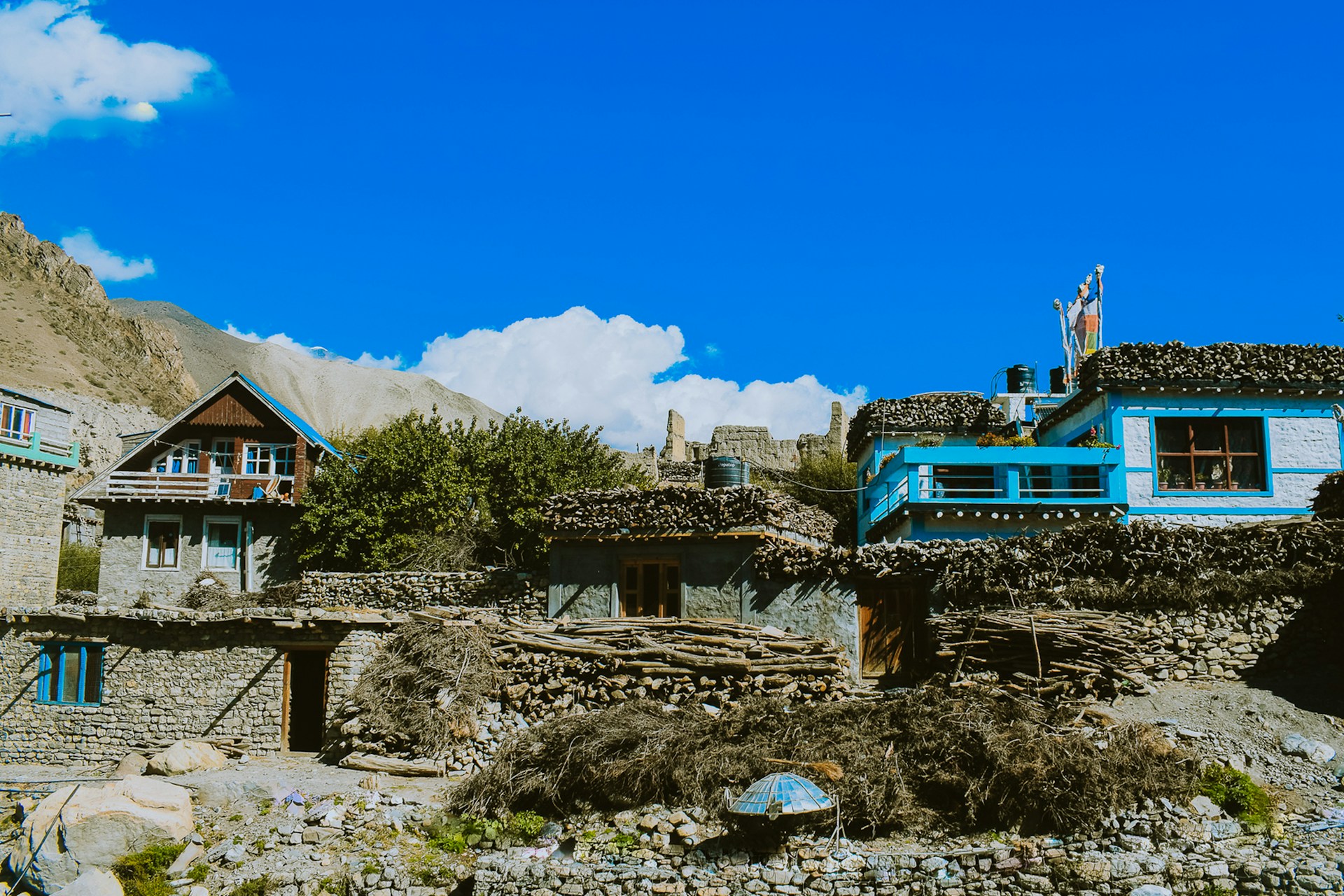
The landscape is a striking high-altitude desert, tucked in the rain shadow of the Annapurna and Dhaulagiri ranges. Unlike the rest of Nepal, this region features wind-carved red cliffs, deep canyons, and arid plateaus that resemble the Tibetan highlands. Because the mountains block the monsoon, it is one of the few places in the Himalayas ideal for trekking during the summer months, offering a surreal backdrop of ochre hills and white-washed villages.
Culturally, Upper Mustang is a living museum of ancient Tibetan Buddhism. It is home to Ghar Gompa, one of the world’s oldest monasteries, and thousands of mysterious “Sky Caves” carved into vertical cliffs. Every year, the vibrant Tiji Festival brings these traditions to life through masked dances. In 2026, the region remains protected as a restricted area, ensuring that its unique heritage is preserved even as modern roads begin to connect it to the outside world.
The Walled City of Lo Manthang
The ultimate destination of the trek, this medieval capital was founded in 1380. Surrounded by a massive 6-meter-high mud wall, the city is a labyrinth of whitewashed houses and narrow alleys.
The Mysterious “Sky Caves”
Dotted across the sheer sandstone cliffs of Mustang are over 10,000 man-made caves. Some are perched hundreds of feet above the valley floor.
Iconic Landscapes & Geology
Cultural Gems & Festivals
A Himalayan Chemi representative will collect you from the airport. It’s a free day to prepare for your trek and buy last minute gear or supplies. If you have any energy, take in some of the world heritage sites that Kathmandu has to offer. Later in the evening, there will be a group briefing and welcome group dinner.
This day in Kathmandu (~1,400 m) is designed for light sightseeing and trek preparation. Trekkers can explore the city’s rich cultural landmarks, such as Swayambhu Nath (Monkey Temple), Boudhanath Stupa, or Durbar Square, depending on time and preference.
In addition to sightseeing, this day is used for expedition preparation: checking gear, repacking, arranging permits (TIMS and Sagarmatha National Park), and reviewing the itinerary with your guide. It ensures that all equipment is ready, and climbers are well-informed about altitude, safety, and trekking logistics.
The 25-minute flight from Kathmandu to Pokhara is a spectacular “mountain flight” in its own right, offering passengers a front-row seat to a dramatic procession of Himalayan giants including the Langtang, Ganesh Himal, and Manaslu ranges. As you soar west over a patchwork of emerald terraced hills and deep river gorges, the massive snow-capped peaks of the Annapurna Massif and the razor-edged “Fishtail” spire of Machhapuchhre gradually dominate the skyline, eventually reflecting in the still waters of Phewa Lake as you descend into the valley. To capture these panoramic views, it is essential to request a seat on the right-hand side of the aircraft when departing Kathmandu, as the mountain range stays consistently to the north of the flight path.
Distance: 10-11 km | Time: 3–4 hrs. | Ascent: +60m
The 20-minute early morning flight from Pokhara to Jomsom is a breathtaking aerial odyssey that weaves through the world’s deepest gorge, the Kali Gandaki, flanked by the soaring 8,000-meter massifs of Annapurna I and Dhaulagiri. Upon landing at Jomsom’s high-altitude airstrip (2,740m), the subsequent 3 to 4-hour walk to Kagbeni (2,800m) serves as a gentle transition into the arid, Tibetan-style landscapes of Lower Mustang, following the wide, stony bed of the Kali Gandaki River where you can hunt for ancient Shaligram fossils. This relatively flat 11 km trek offers stunning views of Mount Nilgiri and introduces you to the wind-carved desert terrain of the region, culminating in the medieval, fortress-like village of Kagbeni, which serves as the historic “Gateway to Upper Mustang” with its narrow alleys and 15th-century red monastery.
Max. Altitude
2,800m
Duration
3–4 hrs.Distance: 12-14 km | Time: 6–7 hrs. | Ascent: +300m
The trek from Kagbeni to Chele marks your official entry into the restricted region of Upper Mustang, beginning with a checkpoint transition into a landscape of soaring fluted cliffs and brilliant white-washed villages. This roughly 6 to 7-hour journey follows the Kali Gandaki River upstream, passing through the picturesque village of Tangbe, famous for its labyrinth of narrow alleys and distinctive black, white, and red chortens that contrast sharply against the desert backdrop. After lunch in Chhusang, you will cross the river—either via a bridge or by walking across the riverbed depending on the season—to witness the spectacular sight of massive red organ-pipe cliffs riddled with ancient inaccessible caves. The day concludes with a short but steep final climb to Chele (3,050m), a small village perched on a ridge that offers your first real taste of the dramatic elevation changes and the stark, wind-sculpted beauty that defines the “Hidden Kingdom.”
Max. Altitude
3,100m
Duration
6–7 hrs.Distance: 12-14 km | Time: 6–7 hrs. | Ascent: +680m
The 6 to 7-hour trek from Chele to Syangboche (3,800m) is a rigorous ascent over two major high-altitude passes: Taklam La (3,624m) and Dajori La (3,735m). Along this rugged, you’ll encounter dramatic “Canyon Cliff” views and the peaceful village of Samar, which provides a scenic break amidst the arid desert landscape. After a steep descent into a deep gorge and a final push uphill, you arrive at the quiet settlement of Syangboche, rewarded with sweeping panoramas of the Tilicho, Yakawa Kang, and Damodar Danda peaks.
Max. Altitude
3,780m
Duration
6–7 hrs.Distance: 9-10 km | Time: 6–7 hrs. | Ascent: +230m | Descent: -460m
The trek from Syangboche to Ghami is a 6 to 7 hours journey that begins with a steady climb to the Syangboche La (3,850m), offering a magnificent final look back at the Annapurna and Nilgiri massifs. The trail then winds through high-altitude desert landscapes and over the Nyi La pass (4,010m), the highest point of this section, before descending into the emerald-green oasis of the Ghami Valley. As you approach Ghami (3,550m), you are greeted by the sight of Mustang’s third-largest village, surrounded by vast fields and dramatic red-hued cliffs that set a stunning backdrop for its traditional whitewashed houses and ancient monasteries.
Max. Altitude
3,550m
Duration
6–7 hrs.Distance: 10-12 km | Time: 5–6 hrs. | Ascent: +320m | Descent: -270m
The trek from Ghami to Charang is a 5 to 6 hours journey that begins by crossing the Ghami Khola and passing the longest Mani wall in Mustang, a 300-meter-long structure intricately carved with Buddhist prayers. After a steady climb over the Chogo La pass, the landscape opens up to reveal the spectacular “Red Cliffs” of Dhakmar before descending into the village of Charang (3,600m). This historic settlement is famous for its massive five-story white Dzong (fortress) and the brilliant red Charang Gompa, which houses a collection of ancient statues and thangkas, all set against a backdrop of willow trees and sprawling fields.
Max. Altitude
3,600m
Duration
5–6 hrs.Distance: 11-12 km | Time: 5–6 hrs. | Ascent: +350m | Descent: -110m
The 4 to 5-hour trek from Charang to Lo Manthang is a relatively gentle but awe-inspiring journey that leads you to the heart of the “Forbidden Kingdom.” The trail climbs steadily toward the Lo La pass (3,950m), also known as the “Pass of Windy Heights,” where you get your first breathtaking glimpse of the walled city of Lo Manthang (3,840m) sitting in a vast, arid valley. Descending from the pass, you cross a small stream and approach the iconic mud-brick walls of the medieval capital, entering a world of ancient monasteries, royal history, and vibrant Tibetan culture that has remained largely unchanged for centuries.
Max. Altitude
3,950m
Duration
5–6 hrs.A rest and sightseeing day in Lo Manthang (3,840m) is the crown jewel of the trip, offering a chance to step back into the 14th century. The primary highlight is exploring the three major monasteries—Jampa Lhakhang, Thubchen Gompa, and Chodey Gompa—which house massive gold-painted statues and some of the world’s most intricate Buddhist murals. Many travelers also hire a horse or jeep for a side trip to the Chhoser Valley near the Tibetan border, where you can climb through the five-story Jhong Cave complex and visit the colorful Nyifu Monastery built directly into the red cliffs. Back within the city walls, you can wander the narrow alleys, observe traditional weaving, and perhaps catch a glimpse of the former Royal Palace, all while soaking in the high-desert silence of this ancient capital.
A rest and sightseeing day in Lo Manthang (3,840m) is the crown jewel of the trip, offering a chance to step back into the 14th century. The primary highlight is exploring the three major monasteries—Jampa Lhakhang, Thubchen Gompa, and Chodey Gompa—which house massive gold-painted statues and some of the world’s most intricate Buddhist murals. Many travelers also hire a horse or jeep for a side trip to the Chhoser Valley near the Tibetan border, where you can climb through the five-story Jhong Cave complex and visit the colorful Nyifu Monastery built directly into the red cliffs. Back within the city walls, you can wander the narrow alleys, observe traditional weaving, and perhaps catch a glimpse of the former Royal Palace, all while soaking in the high-desert silence of this ancient capital.
The trek from Lo Manthang to Dhye (also spelled Dhi) is a roughly 4 to 5-hour descent that transitions from the high plains of the capital into the dramatic, erosion-sculpted river valleys of eastern Mustang. The trail heads east and south, climbing briefly to a ridge that offers a final, sweeping panoramic view of the walled city before dropping steeply through a landscape of colorful, “organ-pipe” sandstone formations. As you descend toward the village of Dhye (3,400m), you are greeted by a lush green oasis nestled beside the river, where the stark contrast between the vibrant fields and the towering red and ochre cliffs creates one of the most photographed scenes in the region.
A rest day in Dhye (3,400m) offers a peaceful escape into one of the most secluded and authentic corners of Upper Mustang, far from the more traveled jeep tracks. The village itself is a lush green contrast to the surrounding “Grand Canyon-Esque” landscape, where you can wander through traditional apple orchards and watch locals tend to their barley fields. Most visitors use this day for a spectacular side trip to the Chungsi Cave or to explore the bizarre, wind-sculpted fluted cliffs that tower over the village, which are riddled with ancient, inaccessible meditation caves. It is the perfect place to soak in the silence of the valley and experience the rugged, traditional lifestyle of the Mustang people before heading further into the eastern wilderness.
Distance: 17-18 km | Time: 6–8 hrs. | Descent: -160m
The trek from Dhye to Tange (also spelled Tangye) is a long and physically demanding day, typically taking 6 to 8 hours through some of the most remote and stunning landscapes in Upper Mustang. The journey involves crossing a high, arid plateau followed by a steep descent into the spectacular Tange Valley, where you are surrounded by massive, erosion-carved cliffs and deep canyons. Upon arriving at Tange (3,240m), you’ll find a beautifully preserved village characterized by its traditional mud-brick houses, a collection of large, colorful chortens, and a dramatic backdrop of towering fluted ridges that glow orange and red in the evening sun.
Max. Altitude
3,240m
Duration
6–8 hrs.Distance: 20-21 km | Time: 9–10 hrs. | Descent: -260m
The trek from Tange to Chhusang is arguably the most challenging but visually rewarding day of the entire circuit, taking approximately 9 to 11 hours and requiring a pre-dawn start. This long journey involves a massive ascent to a high ridge at nearly 4,200m, where you are treated to a staggering 360-degree panorama of the Dhaulagiri and Annapurna massifs across the deep void of the Kali Gandaki. After traversing a high, wind-swept plateau, you endure a long, steep descent through dramatic “painted” hills and rock formations before finally reaching Chhusang (2,980m), marking your return to the familiar landscapes of the lower region.
Max. Altitude
2,980m
Duration
9–10 hrs.Distance: 14-18 km | Time: 6–7 hrs. | Ascent:1,097m | Descent: -317m
The trek from Chhusang to Muktinath is a steep and rewarding 6 to 7 hours journey that takes you over the Gyu La Pass (4,077m), providing one of the most spectacular viewpoints in the entire Mustang region. As you ascend from Chhusang (2,980m), the trail reveals a breathtaking 360-degree panorama of the Annapurna, Dhaulagiri, and Nilgiri massifs, contrasting sharply against the arid, desert-like hills you’ve just traversed. After crossing the pass, you descend into the sacred valley of Muktinath (3,760m), a world-famous pilgrimage site for both Hindus and Buddhists, where you can visit the eternal flame and the 108 water sprouts of the Muktinath Temple before resting in one of the village’s many comfortable lodges.
Max. Altitude
4,077m
Duration
6–7 hrs.A rest day in Muktinath (3,760m) offers a profound spiritual experience as you explore one of the world’s most sacred high-altitude pilgrimage sites, revered by both Hindus and Buddhists. The centerpiece of the day is the Muktinath Temple complex, where you can witness devotees bathing under the 108 sacred water sprouts and visit the Jwala Mai Temple to see the miraculous “eternal flame” that burns atop a natural spring. Beyond the main shrines, you can wander through the serene Narsing Gumba, admire the massive Buddha statue overlooking the valley, and soak in the majestic views of the Dhaulagiri and Nilgiri peaks. The village itself provides a lively atmosphere with its colorful markets and cozy teahouses, making it the perfect place to reflect on your journey through Upper Mustang before the final descent to Jomsom.
Distance: 10-12 km | Time: 6–7 hrs. | Descent: -1,020m
The final leg from Muktinath to Jomsom (2,720m) is a scenic 6 to 7 hours descent that marks a dramatic transition from the spiritual heights of the temple complex to the deep, wind-swept valley of the Kali Gandaki. The trail initially winds through the ancient, medieval village of Jharkot, with its crumbling fortress and traditional Tibetan architecture, before dropping onto the wide, stony riverbed of the Kali Gandaki. This section is famous for its powerful afternoon winds and provides a vast, open landscape framed by the towering massifs of Dhaulagiri and Nilgiri. Arriving in the bustling administrative hub of Jomsom completes the loop, offering a return to modern comforts, bakeries, and the chance to celebrate your journey through the “Forbidden Kingdom” before catching a flight or bus back to Pokhara.
Max. Altitude
2,740m
Duration
6–7 hrs.Flights from Jomsom to Pokhara are unique as they primarily operate in the early morning to avoid the high winds that typically develop in the Kali Gandaki Valley after 10:00 AM. These short, 15 to 20-minute flights offer some of the most spectacular aerial views of the Annapurna and Dhaulagiri ranges.
Max. Altitude
820mA rest and sightseeing day in Pokhara are the ultimate way to recharge after your trek, offering a perfect blend of tranquil nature and cultural exploration. You can start your morning with a peaceful boat ride across the emerald waters of Phewa Lake, perhaps stopping at the Tal Barahi Temple situated on a small island, or hike up to the brilliant white World Peace Pagoda for a panoramic view of the entire Annapurna range and the valley below. For those interested in the region’s history, the International Mountain Museum provides fascinating insights into Himalayan mountaineering, while the thunderous Devi’s Fall and the nearby Gupteshwor Cave showcase the area’s unique geology. As the day winds down, the vibrant Lakeside district offers a relaxed atmosphere with its countless cafes, bookstores, and spas, allowing you to reflect on your journey through Upper Mustang while enjoying the stunning backdrop of Machhapuchhre reflecting in the lake.
Flights from Pokhara to Kathmandu are a quick and scenic way to return to the capital, typically taking between 20 and 25 minutes. Most flights depart from the Pokhara Regional International Airport and offer stunning views of the Ganesh Himal and Langtang ranges on a clear day.
Max. Altitude
1,400mAfter completing the trek and returning from Pokhara, the final day in Kathmandu is reserved for departure. Trekkers check out from their hotel and are transferred to Tribhuvan International Airport for their onward flights. This day provides time to reflect on the remarkable journey through the Annapurna region, savor the memories of high Himalayan landscapes, Sherpa culture, and challenging adventures, and bid farewell to Nepal. It marks the end of an unforgettable trekking experience, leaving lasting impressions of the majestic mountains and the vibrant culture.
Some important hints:
Clothing and accessories on trek
Other
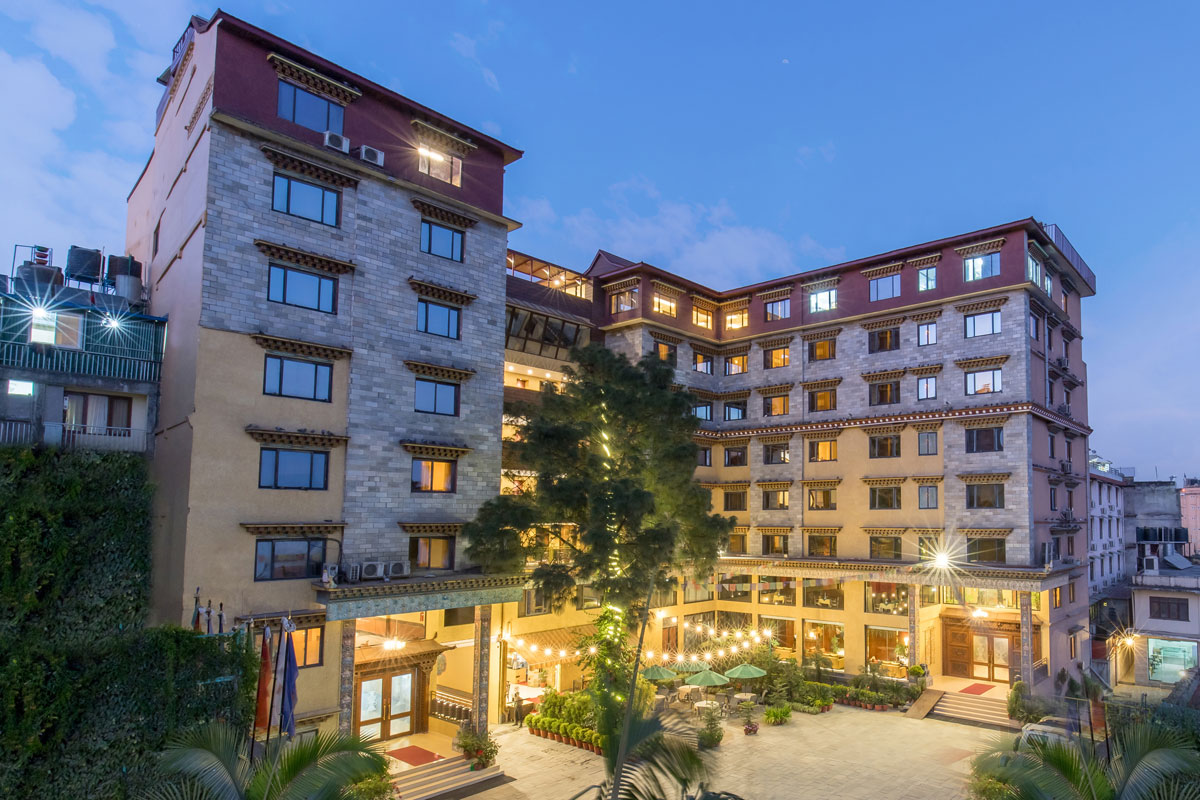
Hotel Tibet, a family-run boutique hotel that have blended traditional Tibetan designs with a touch of modern simplicity.
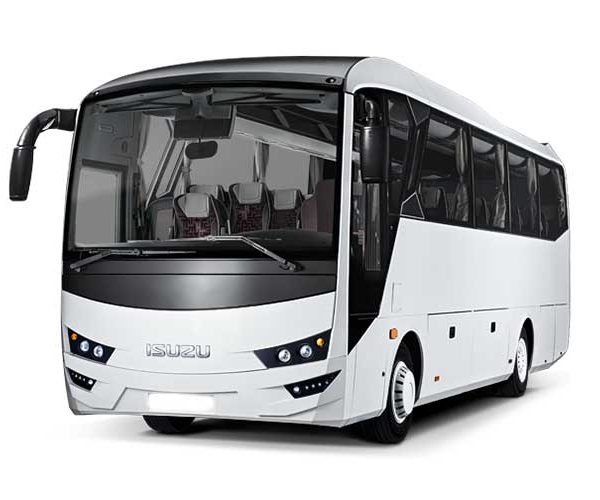
We provide professional Luxury Tourist Bus services designed for large groups, corporate retreats, and organized tours. Our fleet features modern, high-capacity buses equipped with comfortable reclining seats, full air conditioning, and wide windows for a premium sightseeing experience. With spacious under-carriage compartments for luggage and experienced drivers at the wheel, we ensure a safe, smooth, and relaxing journey on all major highways. Whether you are traveling across the city or across the country, our bus service offers the perfect blend of reliability, comfort, and affordability for your entire group.

Our Toyota Hiace service offers the perfect balance of speed, comfort, and flexibility for medium-sized groups and families. Known for its reliability and agility, the "Jumbo" Hiace provides a fast and efficient way to reach your destination, easily navigating both smooth highways and narrower mountain roads. With a high-roof design for extra headroom, air-conditioned interiors, and a private "door-to-door" service, we ensure a premium travel experience that gets you there ahead of the crowd.

Our Mahindra Scorpio 4WD service offers the ultimate combination of power, durability, and rugged luxury for explorers and small groups. Engineered to conquer the demanding terrain of the Himalayas, the Scorpio provides a robust and dependable way to navigate steep inclines, unpaved tracks, and challenging weather conditions. With its high ground clearance, heavy-duty suspension, and powerful 4x4 capabilities, our private "door-to-trailhead" service ensures you reach your destination safely and comfortably, no matter how remote. Featuring an ergonomic cabin, climate control, and ample space for expedition gear, we deliver a high-performance travel experience designed to get you deep into the heart of the mountains where others cannot follow.
WhatsApp +9779841603796
From Everest Base Camp to hidden valleys of Mustang, let us design a journey that’s truly yours.
Start Planning My Trip